A class purchase is the beginning of an operational relationship. The instructor still has to arrange the schedule, teach the sessions, handle changes and cancellations, and receive payment. A craft workshop, a recurring music lesson and a group class are all sold as classes, but follow different rules.
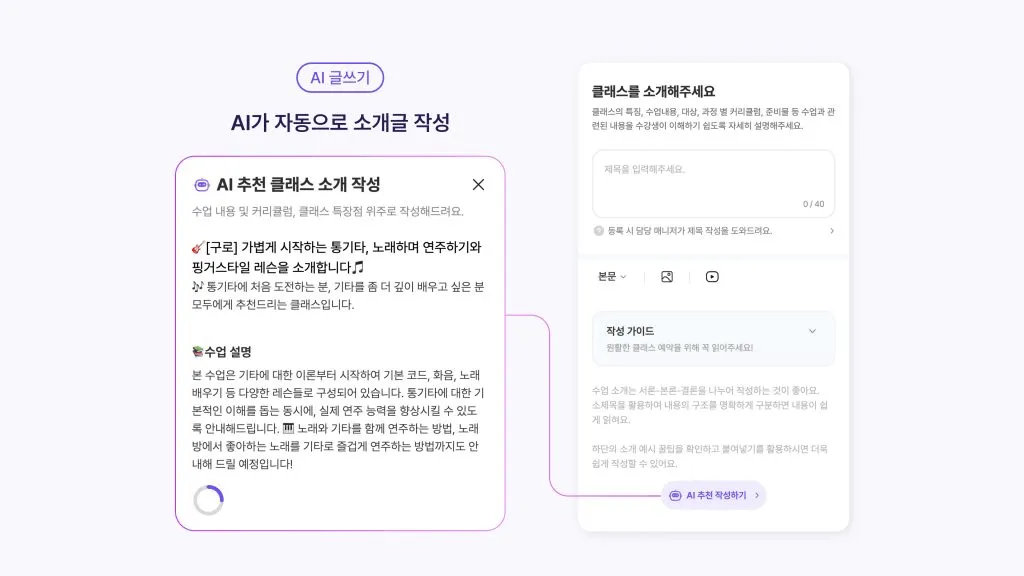
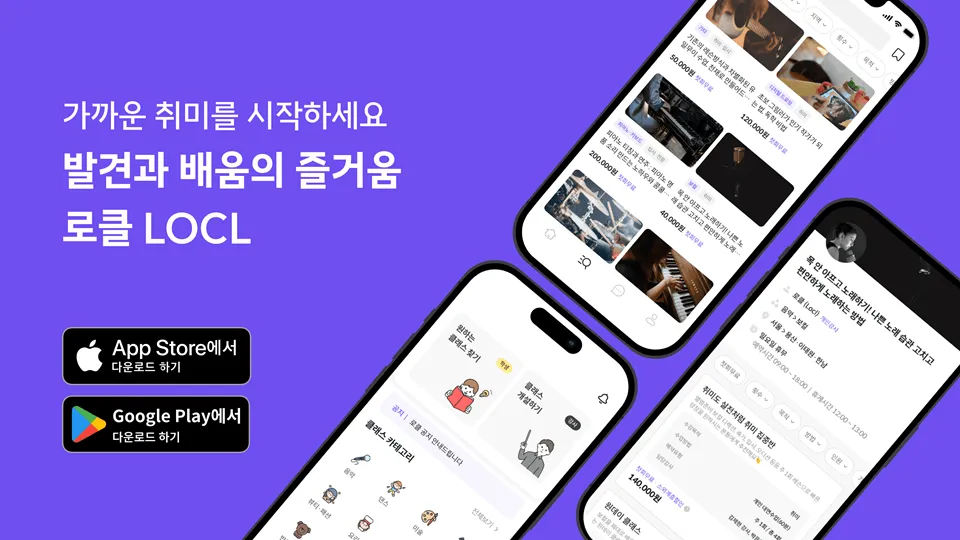
LOCL connected the customer looking for a class with the business responsible for running it. I founded Intergalactic and led product, design and engineering as its PO, personally designing and building the customer app, admin back office and CMS. Alongside the product, I was responsible for hiring, fundraising and partnerships.
A reason to stay after the first booking
Instructors also need to manage students they already teach. Those students return, book another session and pay again. LOCL allowed instructors to invite existing students into the service and treated the instructor–student relationship as something that persists across individual purchases.
That direction shaped the business model. At launch, a subscription offering reduced commission exposure on repeat bookings after the initial match. The intention was to make the platform useful throughout the teaching relationship. Contemporary coverage describes this operating model alongside the booking and management tools.
Separating the meanings of “a class”
The difficult part of a booking calendar is deciding what each entry represents. A class offered for sale, a customer’s purchase and a session taking place on a particular date are different things. Without that distinction, moving a session in a recurring course can become an operation on the entire purchase.
LOCL separated the listing, the class offering, the reservation and the individual session. Delivery mode, recurrence, group size and material costs belonged to the offering. The reservation connected the buyer with payment information. Each session had its own time and state. For group classes, several reservations could point to the same scheduled session. Passes separately connected eligible offerings with the pass a customer had purchased.
This gave one-off workshops and recurring lessons a shared booking structure with different operating conditions. Supporting 213 categories did not require a separate product for every subject. It required a clear distinction between the rules of what was being sold and the state of what was actually being delivered.
What happens behind a cancellation button
After a booking is accepted, exceptions become central to the product. Moving a session means telling both parties what changed. Cancelling after some sessions have taken place requires accounting for completed lessons, materials, introductory offers and responsibility for the cancellation. A cancelled status on the customer screen is only part of that work.
The implementation changes the individual session and sends separate notifications to the instructor and student. Refund calculations take payment, voucher usage, materials, remaining dates and cancellation conditions into account. Settlement records connect back to the reservation and retain the amount, fees and processing administrator.
The data model also distinguished an offering’s current price from its historical terms. Changes to class conditions produced history records, with a relation allowing reservations to reference them. An instructor changing next month’s price should not silently change an earlier customer’s purchase. A booking needed an explanation that an operator could trace through the records.
From individual instructors to cultural centres
Offline channels, including Shinsegae Starfield and Hanwha Galleria, added another layer of operations. A class now sat within a cultural centre, a branch and a classroom, with staff responsible for each location.
The cultural-centre model included room availability and capacity, registration deadlines, minimum enrolment and cancellation conditions. Administrator accounts were associated with permissions and the branches they managed. Ordinary classes and cultural-centre classes had separate models while retaining the relationships between bookings, sessions and payments.
For the customer, the action was still booking a class. For the operator, it meant coordinating a space, an instructor, enrolment and a schedule. The product had to make those views agree.
A product that went into operation
LOCL grew to 1,390 screens across its customer app, admin and CMS, with more than 10,000 cumulative users and over ₩100 million in cumulative transaction volume. Capital secured exceeded ₩1.4 billion across venture investment, central-government R&D, grants and guarantees; that combined figure is neither revenue nor venture investment alone.
My work as PO extended from defining the product to deciding how a customer’s booking would carry through an instructor’s schedule and an operator’s settlement. The challenge was keeping those meanings consistent as the service absorbed the exceptions of a real class business.